
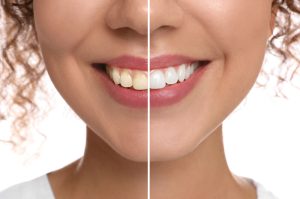
Teeth whitening is one of the most sought-after cosmetic dental procedures today, yet it remains shrouded in misconceptions. Many patients approach whitening with concerns rooted in myths, from fears about enamel damage to the belief that results are permanent.
These myths often deter people from pursuing treatments that could enhance their smile and boost their confidence. In this article, we’ll dissect these common misconceptions and shed light on the truth about teeth whitening. By debunking these myths, we aim to empower you with the knowledge to make informed decisions about your oral health.
Myth 1: Teeth Whitening Damages Enamel
One of the most pervasive myths about teeth whitening is the fear that it will damage the enamel—the hard, protective outer layer of your teeth. This concern stems from a misunderstanding of how whitening agents work. Professional teeth whitening treatments are carefully formulated to break down stains on the enamel surface without altering the enamel itself. The active ingredient, typically hydrogen peroxide or carbamide peroxide, penetrates the enamel to oxidize the discolored molecules within, leaving the structure of the enamel intact.
Moreover, professional teeth whitening treatments are administered under the supervision of dental experts who ensure the process is safe and effective. The concentration of the whitening agent and the duration of exposure are meticulously controlled to minimize any risk to the enamel.
It’s also worth noting that enamel erosion is more often the result of acidic foods and beverages or aggressive brushing rather than whitening treatments. Modern whitening methods are designed with enamel preservation in mind, offering a safe route to a brighter smile. Understanding this can help dispel unnecessary fears and encourage more patients to consider whitening as a viable option for enhancing their smile.
Myth 2: Teeth Whitening Results Are Permanent
A common misconception is that once you’ve had your teeth whitened, the results will last forever. While professional teeth whitening can produce impressive results, these results are not permanent. The longevity of a whitening treatment depends on various factors, including your lifestyle, diet, and oral hygiene habits.
Foods and beverages like coffee, tea, red wine, and even certain fruits can gradually stain your teeth again over time. Smoking or using tobacco products can also contribute to the reappearance of stains. This means that while your teeth may look brilliantly white immediately after treatment, the effects will naturally diminish as you continue to expose your teeth to these staining agents.
To maintain the brightness of your smile, many dental professionals recommend periodic touch-up treatments. These can be done with at-home whitening kits provided by your dentist or through occasional in-office treatments. Additionally, adopting good oral hygiene practices—such as regular brushing and flossing, avoiding stain-causing foods, and using a whitening toothpaste—can help prolong the effects of your whitening treatment. Understanding that teeth whitening requires maintenance can help you set realistic expectations and take the necessary steps to keep your smile looking its best.
Myth 3: All Teeth Whitening Products Are the Same
Another widespread myth is that all teeth whitening products are created equal, whether purchased over-the-counter or provided by a dentist. However, there are significant differences in the effectiveness, safety, and quality of these products. Over-the-counter whitening kits often contain lower concentrations of the active whitening agents, such as hydrogen peroxide or carbamide peroxide, which means they may not deliver the same level of whitening as professional treatments.
Moreover, these products typically come in a one-size-fits-all format, lacking the customization that professional treatments offer. Custom-fitted trays provided by a dentist ensure that the whitening gel is evenly distributed across your teeth, minimizing the risk of uneven whitening or gum irritation. In contrast, over-the-counter products can lead to inconsistent results and even damage if used improperly.
Professional teeth whitening, on the other hand, is tailored to your specific dental needs. Your dentist can adjust the concentration of the whitening agent and the duration of the treatment based on your teeth’s condition, ensuring a safe and effective outcome. This customization, combined with the higher quality of professional-grade products, makes professional whitening a more reliable option for achieving a brighter smile.
Myth 4: Whitening Toothpaste Works as Well as Professional Treatments
Many people believe that whitening toothpaste can achieve the same results as professional teeth whitening treatments. However, while whitening toothpaste can help remove surface stains and prevent new ones from forming, it does not have the power to significantly lighten the color of your teeth. Whitening toothpastes typically contain mild abrasives or low concentrations of bleaching agents, which are effective for daily maintenance but not for dramatic whitening.
Professional whitening treatments, on the other hand, use higher concentrations of hydrogen peroxide or carbamide peroxide, which penetrate the enamel to break down deeper stains. This process results in a more noticeable whitening effect that cannot be matched by over-the-counter toothpaste. Additionally, whitening toothpaste may take weeks or months to show minimal results, while professional treatments can achieve a brighter smile in a single session.
It’s also important to note that excessive use of whitening toothpaste can lead to enamel wear over time, especially if it contains abrasive ingredients. For those seeking a significant change in tooth color, professional whitening under the supervision of a dentist is the safer and more effective option.
Myth 5: Teeth Whitening is Painful and Unsafe
A prevalent myth is that teeth whitening is a painful and unsafe procedure. This misconception likely stems from outdated methods or overuse of at-home whitening kits without proper guidance. Modern professional teeth whitening treatments, however, are designed with patient comfort and safety as top priorities. Dentists use carefully controlled whitening agents and protective measures, such as gum barriers, to minimize discomfort and protect sensitive areas of the mouth.
While some individuals may experience temporary tooth sensitivity following a whitening session, this is usually mild and short-lived. Dentists can also offer desensitizing treatments or recommend specific products to alleviate any discomfort. Furthermore, professional treatments are customized to each patient’s needs, ensuring that the whitening process is both safe and effective.
The key to safe teeth whitening lies in professional supervision. Over-the-counter products, if misused, can lead to gum irritation or uneven whitening, which reinforces the myth of whitening being unsafe. By opting for professional treatments, patients can achieve the desired results without compromising their oral health.
Conclusion: Making Informed Decisions About Teeth Whitening
Teeth whitening is a safe and effective way to enhance your smile, but it’s crucial to separate fact from fiction. By understanding the truths behind these common myths, you can make informed decisions that protect your oral health while achieving the bright smile you desire. Whether you’re considering professional whitening for the first time or need advice on maintaining your results, we’re here to help.
Schedule an appointment with Bridge Dental Charleston today, or call us at (843) 225-0111 to discuss your options with our expert team.


